Sukari Industries: Jaswant Rai Set to Build KSh 5 Billion New Factory in Trans Mara


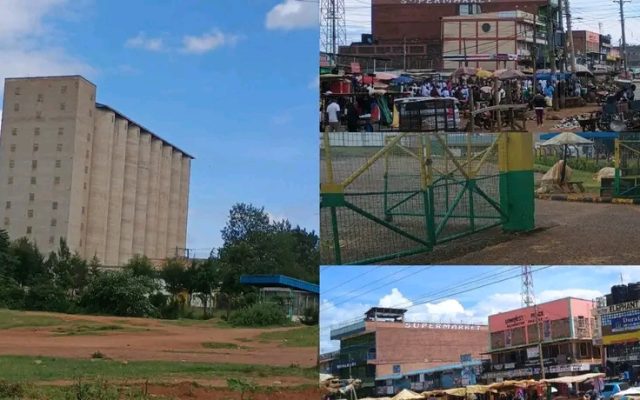
Sukari Industries Ltd has announced plans to set up a new KSh 5.132 billion factory in Trans Mara, Narok County.
The company which is associated with businessman Jaswant Rai is seeking a nod from the National Environmental Management Authority (Nema) to kickstart the building process.
According to Standard, upon completion, the factory will produce 3,000 tonnes of cane per day (TCD) which is expandable to 6,000.
The company has since procured a 20.195-hectare parcel of land for the construction of the factory.
“Sukari Industries Ltd wishes to establish a 3,000 TCD sugar cane milling factory at Moyoi, Lolgorian, Transmara East Sub-county Narok County,” says the miller in regulatory filings.
Sukari Industries is currently runs a sugar milling plant in Ndhiwa, Homa Bay County.
Rai Group is one of the largest sugar millers in Kenya through Olepito West Kenya Sugar (which produces Kabras)and Sukari Industries in Homa Bay.
The company also produced edible oils, fats, soaps- Menengai, cement- Rai cement, and is into real estate, horticulture, Sawmilling – Timsales and RaiPly and wheat farming.
The company produces approximately half the sugar consumed in Kenya having opened their fourth sugar milling in Bungoma called Naitiri Sugar Company in 2022.
The $44 million plant started operations in May and has the capacity to produce 6,000 tonnes of sugar per day.
Sugar Directorate Data in 2020 indicated that Rai Group controlled 45% of the total sugar sales in the country.
West Kenya came in at 29 per cent, Sukari Industries at 11 per cent, and Olepito at 2%.
The former Chairman of Kenya Sugar board sees no problem with them expanding their sugar milling as long as they promptly pay farmers.
“The question that we should be asking is whether the company is paying farmers promptly after harvesting and if they issue permits for cutting cane on time. If they meet all that, then the question of dominance should not arise,” said Busolo.

Kevin Koech
I’m a digital-journalist writing on among other topics, governance, fraud, politics and business with over four years of experience in digital content creation with an incline in editing. I also have a background in digital marketing and bookings are open for those interested in training & consultation, social media marketing, SEO, Google & YouTube advertising, content writing and Wordpress website design. More from this author →