


Many Kenyans admire the matatu business, especially the colourful nganyas that operate on Nairobi’s busy roads.
Some people even dream of owning one after hearing stories about the millions investors mint from the business.
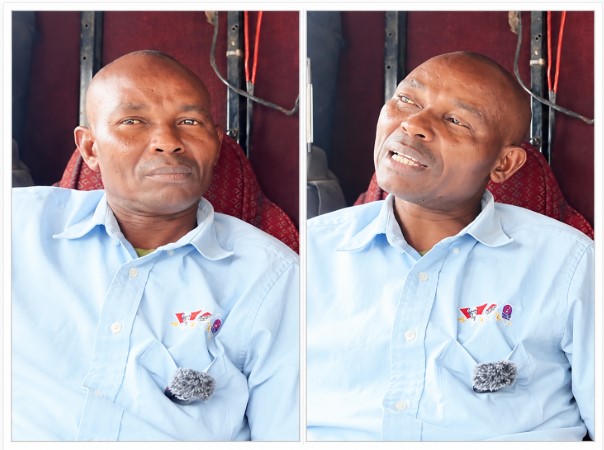
However, according to nganya driver Henry Kilonzo, the reality on the ground is not always as glossy as it appears.
Speaking during a recent interview on the Ask the Owner TikTok page, Kilonzo shared his experiences in the matatu industry, explaining the challenges drivers face.
Dealing With Traffic Police and Kanjo Officers
One of the challenges Kilonzo discussed was dealing with traffic police and the more dreaded Nairobi County kanjos.
He explained that the two groups operate differently, particularly when vehicles are impounded.
“If my vehicle is impounded by the city kanjos, they ask for KSh 10,000 for each day that the vehicle is impounded. If impounded by traffic police, they only ask for a one-time fee of KSh 2,000,” he said.
According to him, many nganya drivers often breathe a sigh of relief whenever they get through the morning without paying bribes.
He claimed that before 11 am, officers may demand as much as KSh 2,000 for traffic violations, but the amount drops to KSh 500 after that time.
He said some drivers even set aside money for traffic officers every day to avoid problems, even when their vehicles have complied with traffic regulations.
High Cost of Joining a Matatu Sacco
Kilonzo explained that joining the matatu business requires considerable capital.
According to him, some established matatu SACCOs charge up to KSh 400,000 in registration fees.
However, he explained that the advantages of joining these SACCOs are that they have established operating stages, organised routes and loyal passengers.
He also claimed that some Nairobi routes, particularly along Jogoo Road and in Kayole, are dominated by powerful and wealthy cartels.
According to Kilonzo, operators who refuse to cooperate with these powerful individuals face the risk of having their SACCOs and vehicles bought out, potentially pushing them out of business.
He further alleged that some matatus owned by influential politicians receive preferential treatment despite being caught on camera breaking traffic regulations.
“Some politically connected operators even offer passengers money to attract them to their vehicles,” he said.
Rising Fuel Prices and Low Earnings
Another major challenge Kilonzo discussed was the rising cost of fuel.
He revealed that his nganya currently consumes approximately KSh 1,300 worth of diesel per squad, compared to around KSh 800 before fuel prices increased.
However, despite the increase in operating costs, he explained that many matatu owners still expect drivers to deliver the same amount of money every evening.
In his case, Kilonzo said he is required to give his vehicle owner KSh 6,000 daily.
Kilonzo said this arrangement sometimes leaves drivers and conductors with very little money after toiling and sweating for the entire day, especially since some saccos prohibit the driver and conductor from hiring fares despite increased fuel prices.
In some cases, the two workers may go home with only KSh 200 each after paying for fuel and meeting the owner’s target.
His Advice to Potential Matatu Investors
For people considering investing in the matatu business, Kilonzo advised them to be careful when purchasing vehicles.
He explained that investors have the option of either buying brand-new vehicles or purchasing second-hand ones.
While new vehicles can be acquired through bank financing, he warned that failure to repay the loan can lead to repossession.
According to him, the smart strategy is to finish paying for the first vehicle, take another loan to purchase a second one, and then use earnings from both vehicles to repay the new loan.
By repeating this process, an investor may build a fleet within a few years.
“Never take a loan to buy a second vehicle if you have not finished paying for the first one,” he advised.