
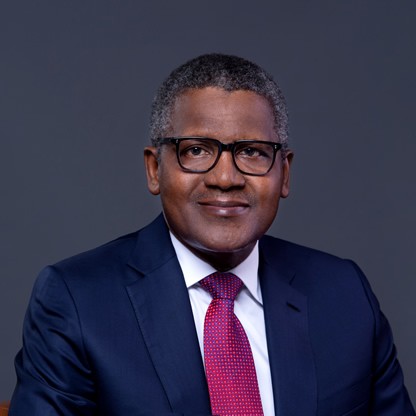

Africa’s richest man Aliko Dangote is set to build a Ksh 2.2 trillion oil refinery, at the Kenyan coast. Upon completion, the refinery will handle 700000 barrels per day and it is expected to scale up the output with time.
But how will the refinery be financed?
The refinery will not be funded by one bank or a single investor.
Instead, Dangote Industries will combine its own profits, borrowed money and money raised from investors to spread the cost and reduce financial risk.
The first source is cash flow.
Dangote Industries will use profits generated from its existing businesses, including cement, fertiliser, sugar and the Lagos refinery.
This means the company will use part of its own earnings instead of borrowing the entire amount.
The second source is bonds.
A bond is a way of borrowing money from investors instead of a bank.
Investors lend money to the company, and Dangote agrees to repay them with interest over a set period.
The third source is an Initial Public Offering (IPO) of the Lagos refinery.
This means Dangote will sell part of the refinery to investors through the stock market.
The money raised from selling those shares will help finance the Kenya project.