


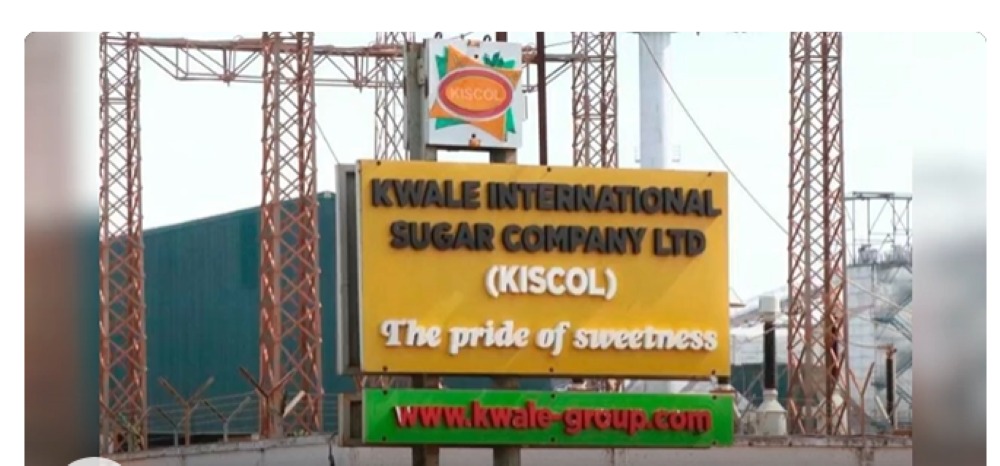

There are sugar factories, and then there are dreams cast in steel, concrete and ambition.
Drive through the rolling plains of Kwale, and rising from the green ocean of cane stands a reminder to what Kenya’s agricultural future could look like.
Not merely a mill. Not merely a factory. But a vision.
When the founders of the Kwale International Sugar Company Limited (KISCOL) first conceived the project, they were not thinking about producing bags of sugar alone.
They were imagining something far bigger: a fully integrated agro-industrial powerhouse capable of transforming an entire region.
Today, that vision remains one of the most compelling stories in Kenya’s sugar sector.
At a time when many sugar millers were struggling with ageing machinery, debt and chronic inefficiencies, KISCOL was built around a different philosophy.
The factory was designed to crush thousands of tonnes of cane daily, generate electricity from bagasse and eventually produce ethanol from molasses.
Model Project
It was a model borrowed from the world’s most successful sugar economies, where every stalk of cane is squeezed for maximum value.
The numbers tell part of the story.
A modern mill. An 18-megawatt bagasse-fired power plant. Thousands of hectares under irrigation.
Plans for large-scale ethanol production. A sophisticated water management system that many experts consider among the most advanced on the continent.
Yet the real story lies beyond the numbers.
Imagine standing in the middle of the estate at dawn. The first rays of sunlight spill across endless fields of cane.
Irrigation lines snake beneath the soil. Giant turbines wait to convert agricultural waste into clean electricity. Trucks rumble towards the mill.
This is not the image of a struggling industry. It is the image of an industry that should be leading Kenya’s industrialisation.
2026/27 Budget
And that is precisely why the conversation around KISCOL matters.
The 2026/27 Budget has once again recognised the strategic importance of the sugar sector, with billions allocated towards ongoing reforms and revitalisation efforts.
Government officials have repeatedly emphasised the need to modernise sugar production, expand ethanol manufacturing and increase renewable energy generation from sugar factories.
If that is truly the direction Kenya wishes to take, then KISCOL should not be viewed as merely another miller that should be supported by the government. It should be viewed as a blueprint.
Because the future of sugar is no longer just sugar.
It is power generation. It is ethanol. It is irrigation technology. It is manufacturing. It is jobs. It is energy security. It is rural transformation.
For years, Kenya has lamented sugar imports, farmer frustrations and underperforming factories.
Yet in Kwale stands a project that attempted to answer many of those challenges before they became national talking points.
Perhaps the greatest tragedy would be allowing such a vision to wither for lack of support.
KISCOL is not asking Kenya to dream. It already did the dreaming.
The question now is whether the government and Kwale community is prepared to support the establishment of the KISCOL transformative dream and other ideas within the sugar sector.