


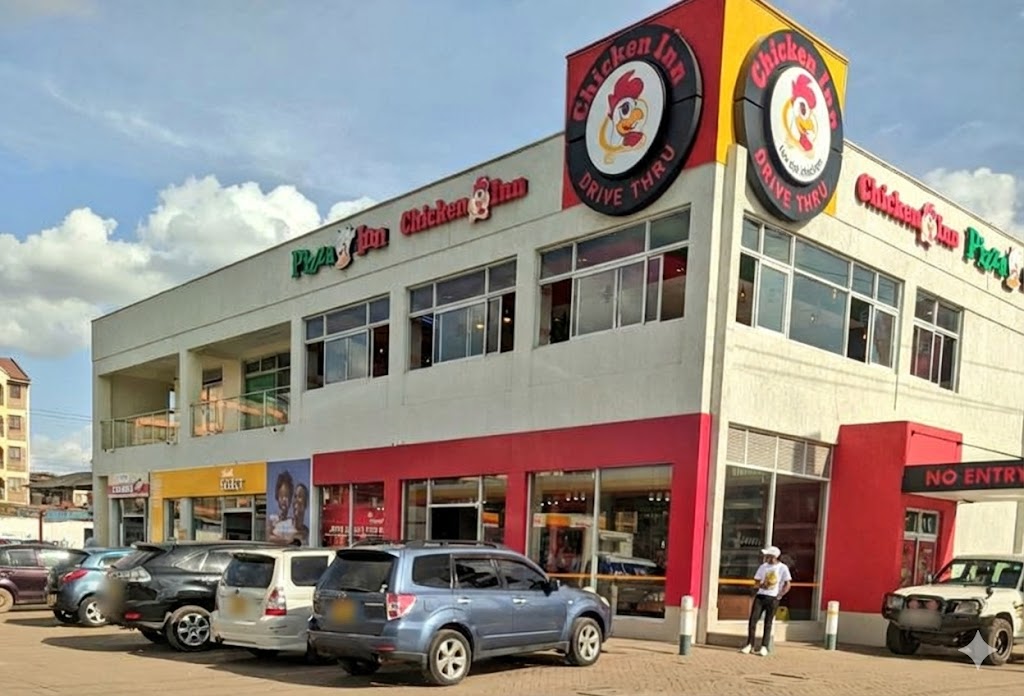

If you’ve stopped at a leading petrol station like Rubis, Shell or Total Energy, you’ve probably seen the iconic yellow and red pylon. In Kenya, owning a Chicken Inn franchise is a dream come true that mostly seems untenable because of the high initial cost.
This has been exacerbated by the 2026 economic landscape that is unforgiving to entrepreneurs. From the mandatory SHIF transition and the NSSF Phase 4 updates that went live on February 1, 2026, the cost of running a fast-food empire has become expensive.
According to Simbisa Brands Limited’s 2025 Annual Report, the Kenyan market saw a 12% revenue growth despite inflationary pressures, largely driven by a 33% surge in delivery orders.
WoK has compiled the cost of opening a Chicken Inn Franchise in Kenya if you are interested in this type of business.
The Startup Costs
Simbisa is very selective. While they operate the majority of their 250 plus Kenyan counters (this includes their other sister brands like Pizza Inn, Creamy Inn, Galito’s, and Baker’s Inn directly, they do partner with “Owner-Operators” who meet their stringent financial and operational standards.
Setting up a standard Chicken Inn branch in 2026 requires an investment of between KSh 50 million and KSh 85 million.
| Component | Estimated Cost (KSh) | The Insider Detail |
| Initial Franchise Fee | KSh 3.5M – 4.5M | Your “entrance fee” to the brand. |
| Leasehold & Fit-out | KSh 15M – 30M | Heavy-duty gas, plumbing, and tiling. |
| Kitchen Equipment | KSh 20M – 35M | High-capacity fryers and walk-in chillers. |
| Signage & Branding | KSh 3M – 5M | The iconic pylon that pulls in road traffic. |
| Working Capital | KSh 5M – 10M | Salaries and stock for the first 90 days. |
The “60/40” Rule (Liquidity Requirements)
According to Simbisa’s official franchising guidelines, you cannot build a branch purely on debt. They require that a franchisee funds at least 60% of the total cost from their own non-borrowed resources (cash).
If your project costs KSh 70 million, you must show KSh 42 million in personal liquid capital before a bank like KCB or Equity will finance the remaining 40%.
The 2026 Regulatory Landscape
Operating a restaurant today means being a part-time tax collector. Your payroll math is dictated by two major 2026 changes:
- SHIF (Social Health Insurance Fund): A mandatory 2.75% of every employee’s gross salary.
- NSSF Phase 4 (Feb 2026): For employees earning above KSh 108,000, the total deduction is now capped at KSh 6,480 per side (Employee/Employer).
- Royalties: Expect to remit 5% to 7% of your monthly gross sales to Simbisa as a licensed privilege fee. If your Chicken Inn outlet generates KSh 200,000 in daily sales — translating to about KSh 6 million per month — the franchisor takes their percentage from the total revenue. That means you’ll pay a 6% royalty, which comes to KSh 360,000 per month, plus an additional 5% National Marketing Fund contribution, bringing the total monthly remittance to KSh 660,000.
Strategic Shifts: Location is Everything
In 2026, the money has moved. Simbisa’s Q1 2026 trading update highlights that delivery now accounts for 24% of revenue from 19% in Kenya.
- Fuel Station Hubs: Outlets at Rubis or TotalEnergies on major highways (like Nairobi-Nakuru) are high-intent “gold mines.”
- Utawala and Ruai: These satellite towns are seeing a massive influx of middle-class residents who want the “Chicken Inn experience” without the CBD traffic.
The “Absentee Owner” Trap
A common pitfall is thinking you can run a Chicken Inn from your office in Upper Hill. Simbisa explicitly looks for “Owner-Operators.” Without hands-on management, “pilferage” (theft of chicken, oil, or packaging) can evaporate your 15% profit margin in weeks.
Chicken Inn ROI
With an average Return on Investment (ROI) of 3.5 to 5 years, a Chicken Inn franchise remains one of the most resilient wealth-building tools in Kenya.
Frequently Asked Questions
How much does it cost to open a Chicken Inn franchise in Kenya in 2026?
Setting up a standard Chicken Inn branch in 2026 requires an investment of between KSh 50 million and KSh 85 million, depending on the location and fit-out requirements.
What are the liquidity requirements for a Chicken Inn franchise?
Simbisa Brands requires franchisees to fund at least 60% of the total project cost from their own non-borrowed cash resources before seeking bank financing for the remaining 40%.
What are the monthly royalty fees for Chicken Inn in Kenya?
Franchisees pay a monthly royalty fee of 5% to 7% of gross sales, plus a 5% contribution to the National Marketing Fund.
How do 2026 tax changes like SHIF affect Chicken Inn franchises?
Franchise owners must now factor in a mandatory 2.75% SHIF deduction and updated NSSF Phase 4 contributions (capped at KSh 6,480 for high earners) into their monthly payroll expenses.
Ready to calculate your potential staff costs? [Use our 2026 KRA PAYE & Net Salary Calculator Provided In the article]