


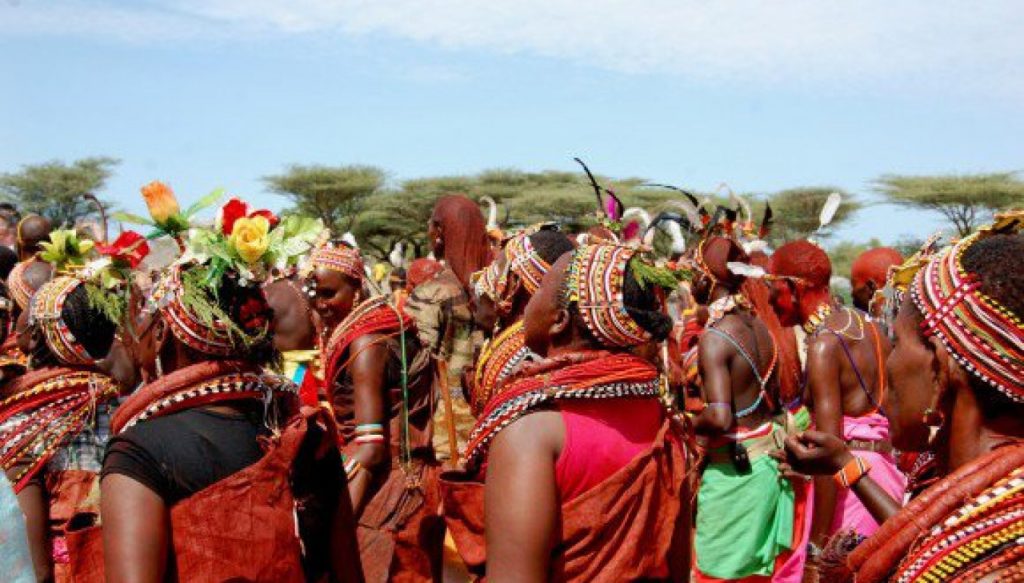

Traditional Festivals in Kenya
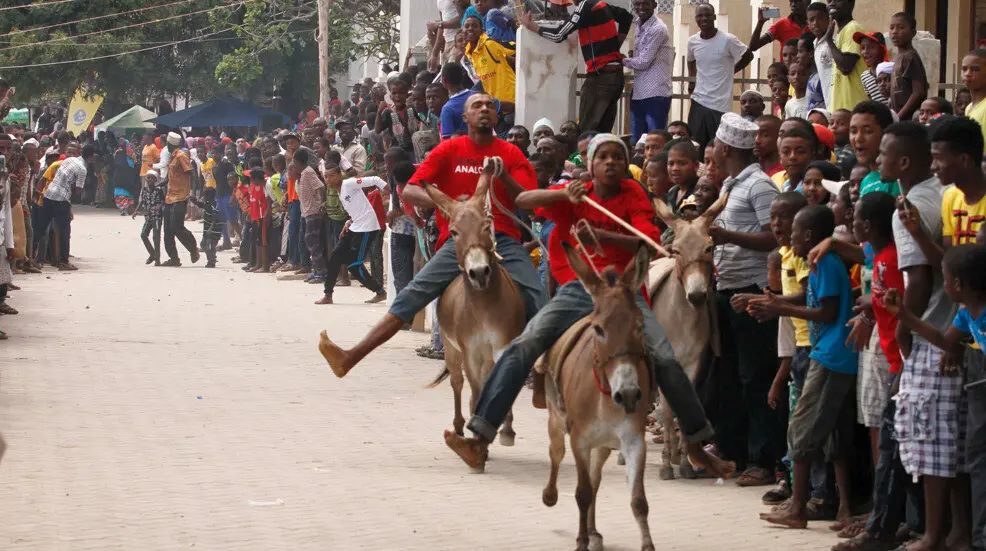
The rich cultural legacy of Kenya springs from her over 40 ethnic groups. Each of these groups contributes to the variance in traditions evident throughout Kenya. The festivals observed annually in the different regions of Kenya attest to the traditions, cultural practices, and way of life of the Kenyans. Traditional contests, such as donkey and camel racing, now exist alongside modern digital interests like Melbet iOS, while traditional and contemporary music, creative exhibitions, and food exhibitions remain core activities that the various regions engage in throughout the year. Let’s explore the traditional festivals in Kenya.
Top Cultural Festivals in Kenya
Kenya’s distinct and rich cultural heritage has led to festivals, events, and other activities throughout the country. The festivals provide insight into the modern and traditional practices of the Kenyans. The diverse activities and extensive participation in the observed festivals further enhance the distinct cultural practices of the regions that these festivals are celebrated.
Lamu Cultural Festival
Every year, the island of Lamu hosts the Lamu Heritage celebration, which offers a unique experience of the Swahili culture and heritage. It features specific Swahili customs and traditions of the people of Lamu. The Lamu Festival has taken two of Lamu’s pilgrimages, which are equivalent to a few centuries, to construct this vital piece of the world’s cultural history. It attracts thousands of Muslims and people from all over the world. There are boat racing competitions, parades, folk music, and art. Visitors taste traditional Swahili food and see henna painting. It is one of the few opportunities to experience the original cultures of the coastal nation of Kenya and some of the other East African countries.
Lake Turkana Cultural Festival
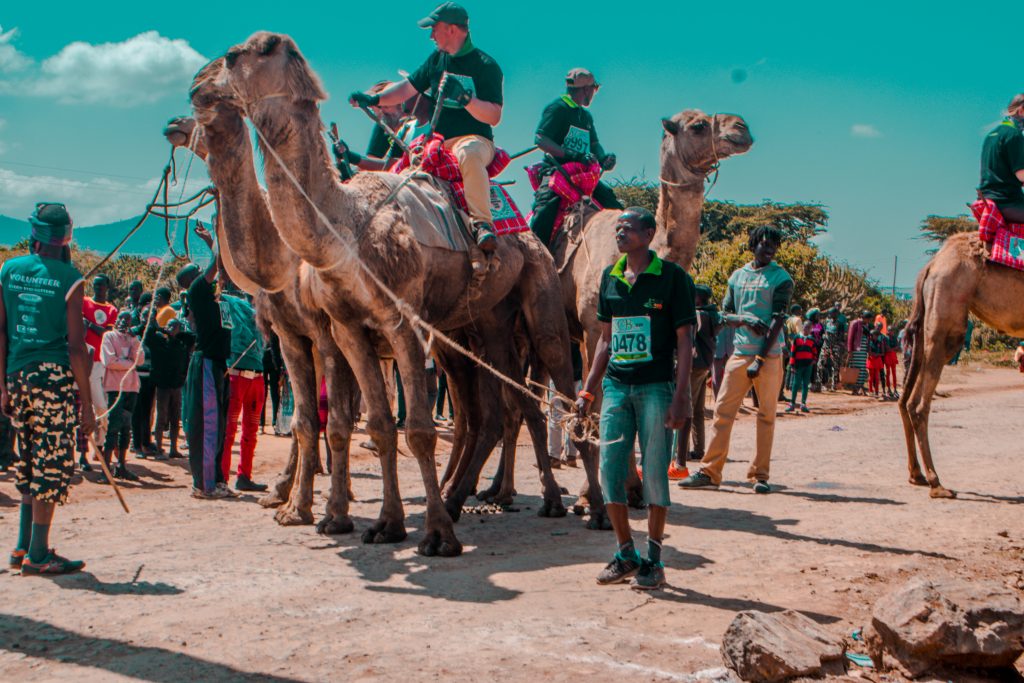
In Turkana County, along the shores of Lake Turkana, the Lake Turkana Heritage celebration showcases the cultural richness and diversity of Kenya. Here, visitors can enjoy and experience camel and donkey races, folk music and dance, and various creative craftsmanships. The festival is dedicated to the Samburu, Maasai, and Luo people, which form a significant part of the Kenyan population. Additional entertainment options include traditional carving, bao games, and various exhibitions, showing an array of modern and traditional methods to preserve cultural identity. The festival is also referred to as the Maralal Camel Derby which is a prominent event in the region.
Maralal International Camel Derby
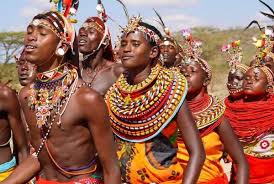
The Maralal International Camel Derby is a major event in the Rift Valley music festival circuit and is typically held alongside other festivals. Camel racing is the main event as well as music festival performances. Other activities include creative craftsmanships, and traditional music. The participation of the Maasai people, who dress in traditional garments and perform customary dances, highlights the rich culture of the area. The festival attracts thousands of visitors each year to experience the cultural richness of Northern Kenya.
Why Every Traditional Festival in Kenya Matters
Diverse festivals allow the country to celebrate all of its significant cultural components, including the preservation of cultural practices and the unification of the various tribes. These celebrations provide the opportunity for knowledgeable individuals to teach and enlighten attendees about cultural practices.
Preservation of Tribal Heritage and Dance
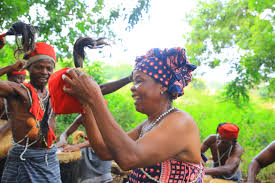
Festivals across Kenya provide tribal groups and communities the opportunity to perform their traditional dances, a core central component to the preservation of the heritage and culture. Communities and groups such as the Maasai and others perform traditional songs, accompanied by dances, that capture the essence of the traditions. The festivals, as a part of their activities, provide a chance for other communities to celebrate traditional practices and allow younger people within those communities to learn about the rich history of the various tribes.
Traditional Food and Artistic Crafts
A feature of heritage celebrations is the folk music, as a part of the festivities. These celebrations allow for the enjoyment of the Swahili culture, which activities include traditional Swahili cuisine, as well as the traditional customs of the Swahili people. These heritage celebrations serve as valuable sources of economic sustenance to the local communities, as well as enriching the country by showcasing diverse cultural practices.
Must-Visit Cultural Festivals of Kenya
There are plenty of cultural gatherings in Kenya with something for everyone’s taste. Festivals such as the Mombasa Carnival and the Rusinga heritage celebration showcase the country’s cultural diversity through the numerous ethnic groups that call the country home.
Mombasa Carnival and Maulidi Festival
Celebration of Mombasa Carnival is an annual event with parades that promote the Artistic and Cultural expressions of the Swahili people of the region. The Maulidi Festival is celebrated the weekend before Christmas and features Swahili folk music, and traditional cuisine from the region of the Swahili people. For thousands of Muslims that believe the festivals provide spiritual pilgrimages, the festivals are a testament to the cultural wealth of the Mombasa Region.
Rusinga Cultural Festival and Iteso Celebrations
Along the shores of Lake Victoria, the Rusinga Cultural Festival offers a personal encounter with the Luo Culture. The Luo people are one of the many ethnic groups of Kenya and they express themselves through creative exhibitions and modern Live music event. The Iteso Celebrations are of equal measure in showcasing the primitive ways of their people, with music and dance; and the contemprorary aspects of local Swahili.
Planning for Festivals in Kenya
An event is one of many modern and traditional festivals that can be facilitated through careful planning. An appreciation of the local Swahili traditions, unique customs, and cultural identity is integral to the overall experience.
Best Months for Cultural Travel
In Kenya, the majority of the country’s festivals take place seasonally. For example, the Cultural Festivals of Lamu take place during November, and for the Cultural Festivals of Lake Turkana, they take place during July. The Lamu Festival and the Lake Turkana Cultural Festival, along with the Rift Valley Live music event and the Maralal Camel Derby take place during the drier months of the year, making travel easier. Experts are ready and able to assist travelers in tailoring their plans to include cultural gatherings in Kenya and the East African region.
Respecting Local Customs and Traditions
Festivals are a great way to learn about the participants way of life and the Cultural Identity and the Cultural Landscape of the People. It is encouraged for participants to respect the different and wonderful customs, appropriate dress, and to participate in the traditional music and dance.
Impact of Cultural Festivals in Kenya
Cultural gatherings in Kenya provide more than just entertainment; they play a key role in promoting Kenya and other East African culture and traditions, preserving the diverse cultural heritage, and supporting the Kenyan way of life. These festivals unite tribes in Kenya and attract visitors near and far, offering an incredible cultural experience for locals and tourists alike.
National Unity and Tourism Growth
Festivals provide an opportunity for participants to celebrate the cultures of many communities. A festival also encourages tourism, drawing throngs of pilgrims and visitors to witness one of the best places to enjoy music and dance, traditional music, and creative exhibitions. From Nairobi to coastal regions, festivals provide insight into the Kenyan way of life, highlighting Kenya’s most modern as well as traditional culture and traditions. Whether through sporting events like camel races and dhow boat races or parades and stalls, visitors can enjoy the cultural richness of Kenya and other East African communities.
Supporting Local Communities
Artisans, farmers, and performers get a chance to showcase their talent every year at the Arts and Crafts and Live music event. Food stands allow the community to earn money while preserving their cultural heritage.
Summary
The Maralal Camel Derby and the Lamu Festival, among others, showcase the artistic and musical diversity of the Kenyan people. The festivals emphasize the importance of preserving the many diverse ethnic groups of the Kenyan people. They promote the artistic talents of the people, provide stimulus for the nation, and preserve the diverse indigenous groups of the Kenyan people.
FAQ
What is the most famous festival in Kenya?The Lamu Cultural Festival is one of the biggest festivals in the country with activities like dance, music, and a parade.
When is the Lamu Cultural Festival held?
The cultural festival takes place during the peak of tourism, every November.
Are festivals in Kenya open to foreigners?
Kenya hosts most events and festivals that foreigners can attend. Visitors can participate in arts and crafts, traditional music and food, flower farms, and sports, while observing local customs.
Which cultural festival in Kenya is the largest?
Kenya’s largest cultural festivals is the Lake Turkana Cultural Festival in Turkana County, which hosts a racing of camels and donkeys, a music festival, and thousands of attendees, of all the country’s major communities.
What is the significance of the Lake Turkana festival?
The Lake Turkana Cultural Festival Is a celebration of the cultural history of the communities of the Samburu, Maasai, Luo, and Abasuba, to understand the lifestyle and cultural identity of the people of Kenya and to sustain the arts and crafts.